
Why People Came to the Blue Mountains in the Early 1900s
The Blue Mountains, alongside their rugged beauty as well as serene landscapes, have long been a magnet for those seeking respite from the hustle as well as bustle of city life. But what drew people to this region in the early 1900s? A combination of factors, including health, recreation, as well as the allure of natural beauty, played significant roles in attracting visitors to the Blue Mountains during this period. This blog explores these motivations, shedding light on why the Blue Mountains became a popular destination in the early 20th century.
The Health Retreat Movement
One of the primary reasons people flocked to the Blue Mountains in the early 1900s was the burgeoning health hideaway movement. During this era, the clean, crisp air of the mountains was believed to have significant health benefits, particularly for those suffering from respiratory ailments like tuberculosis. The concept of “taking the air” was a common prescription for recovery as well as wellness.
Sanatoriums as well as health resorts began to sprout up across the region, offering a combination of medical treatment as well as relaxation in a pristine environment. These establishments provided patients alongside a therapeutic escape from the pollution as well as grime of city life, promising rejuvenation through fresh mountain air as well as peaceful surroundings. This health-focused tourism played a crucial role in putting the Blue Mountains on the map as a desirable destination.
The Rise of Leisure Travel

The early 20th century saw a dramatic shift in societal attitudes towards leisure as well as recreation. alongside the advent of the industrial revolution as well as the resulting increase in urbanization, people began to recognize the importance of taking time off from work to relax as well as recharge. The Blue Mountains, alongside their picturesque scenery as well as cooler climate, became an ideal escape for city dwellers looking to escape the heat as well as hustle of Sydney.
The construction of the Great Western Railway in the late 19th century made the Blue Mountains further accessible than ever before. This ease of access opened the floodgates for tourists, who could today travel from Sydney to the mountains in a matter of hours. Hotels as well as houses began to flourish, catering to the growing number of visitors seeking a refreshing break
The Romantic Allure of Nature
In the early 1900s, there was a growing appreciation for the natural world, spurred by movements such as Romanticism as well as the Arts as well as Crafts movement. These cultural shifts emphasized the beauty as well as spiritual benefits of nature, encouraging people to seek out scenic landscapes as well as immerse themselves in the wilderness.
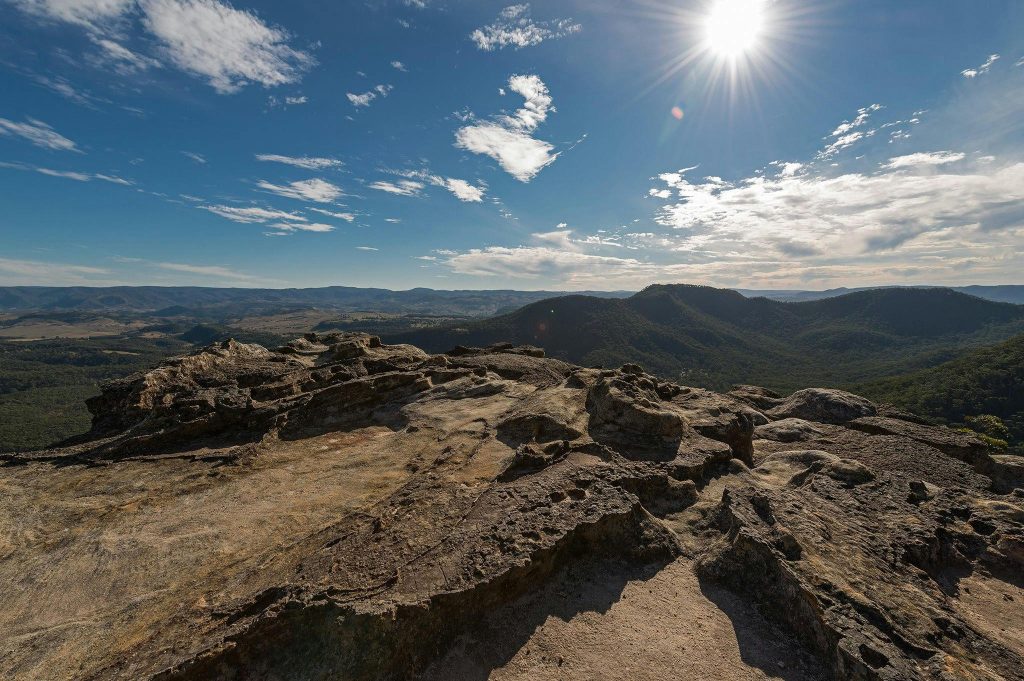
The Blue Mountains, alongside their dramatic cliffs, dense forests, as well as stunning vistas, offered the ideal backdrop for this romantic ideal. Artists, writers, as well as photographers were particularly drawn to the region, inspired by its raw beauty. Their works helped to popularize the Blue Mountains, further enticing visitors who longed to stay this picturesque wilderness for themselves.
Exploring the Wonders of the Region
The Blue Mountains offered a treasure trove of natural wonders for visitors to explore. Iconic landmarks such as the Three Sisters, Jenolan Caves, as well as the Wentworth Falls became must-see attractions, drawing tourists from far as well as wide. The adventurous could embark on bushwalks as well as hikes, discovering hidden waterfalls, lush valleys, as well as panoramic viewpoints along the way.
Botanists as well as naturalists were as well captivated by the region’s distinctive flora as well as fauna. The Blue Mountains are home to a diverse range of plant species, many of which are found nowhere else on earth. This biodiversity attracted scientists as well as enthusiasts, adding another layer of intrigue to the area.
A Cultural as well as Social Hub
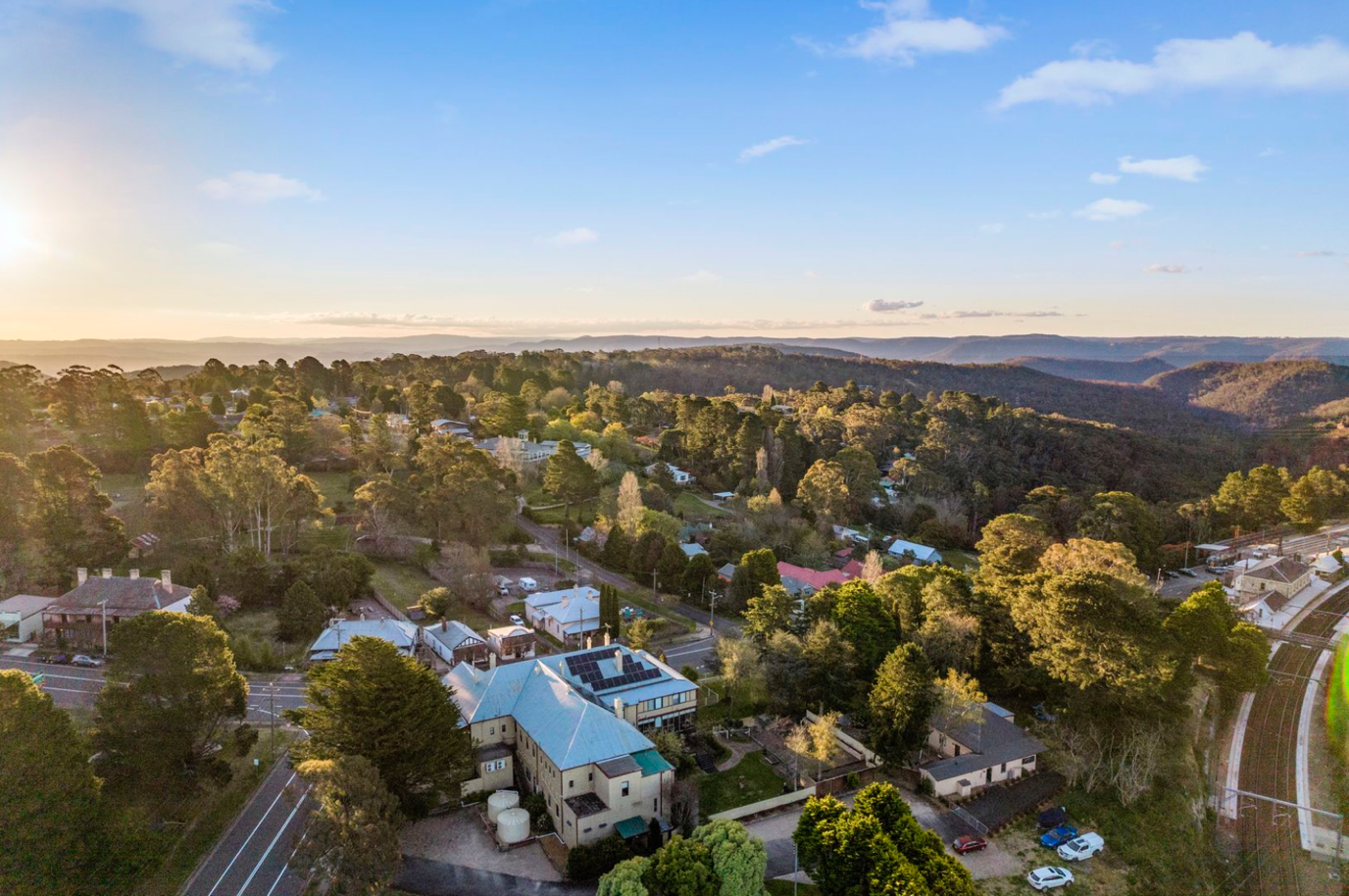
As the popularity of the Blue Mountains grew, so too did its cultural as well as social scene. Resorts as well as hotels often hosted social events, from elegant tea parties to lively dances, providing opportunities for visitors to mingle as well as form connections. These social gatherings became an integral part of the Blue Mountains stay, blending relaxation alongside entertainment.
Local communities as well played a role in shaping the cultural landscape of the region. Festivals, markets, as well as cultural events showcased the rich heritage as well as creativity of the area, offering visitors a taste of local life. The blend of natural beauty as well as vibrant community activities created a distinctive as well as compelling destination.
The Legacy of Early 20th Century Tourism
The influx of visitors to the Blue Mountains in the early 1900s laid the foundation for the region’s enduring popularity as a tourist destination. The infrastructure developed during this period, including railways, roads, as well as accommodation, continues to support tourism today. The emphasis on health, leisure, as well as the appreciation of nature established the Blue Mountains as a haven for those seeking both physical as well as mental rejuvenation.
In conclusion, the appeal of the Blue Mountains in the early 1900s was multifaceted. From health hideaways as well as leisure travel to the romantic allure of nature as well as vibrant social scenes, the region offered something for everyone. The legacy of this era is still evident, as the Blue Mountains continue to captivate as well as inspire visitors from around the world, just as they did over a century ago.