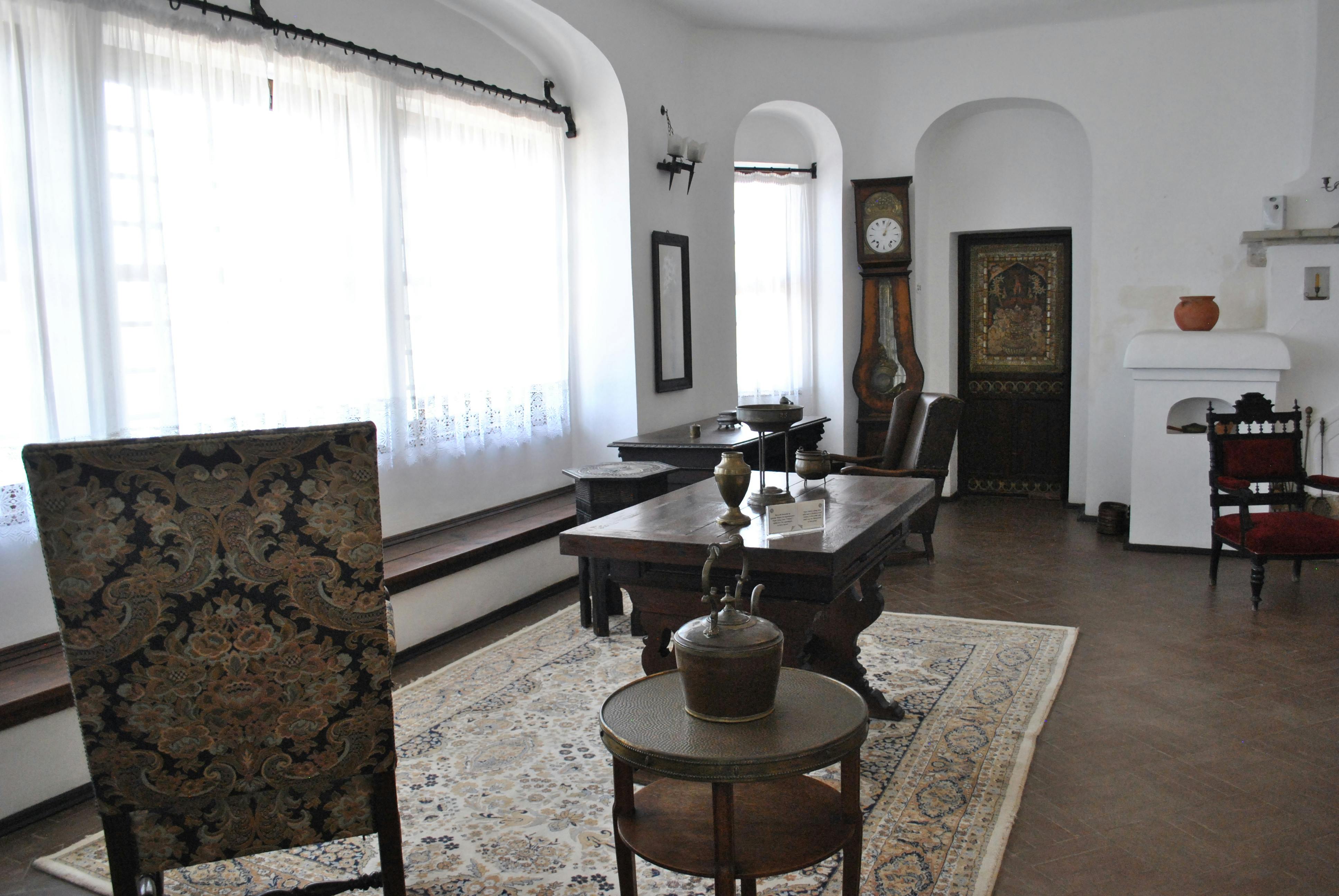
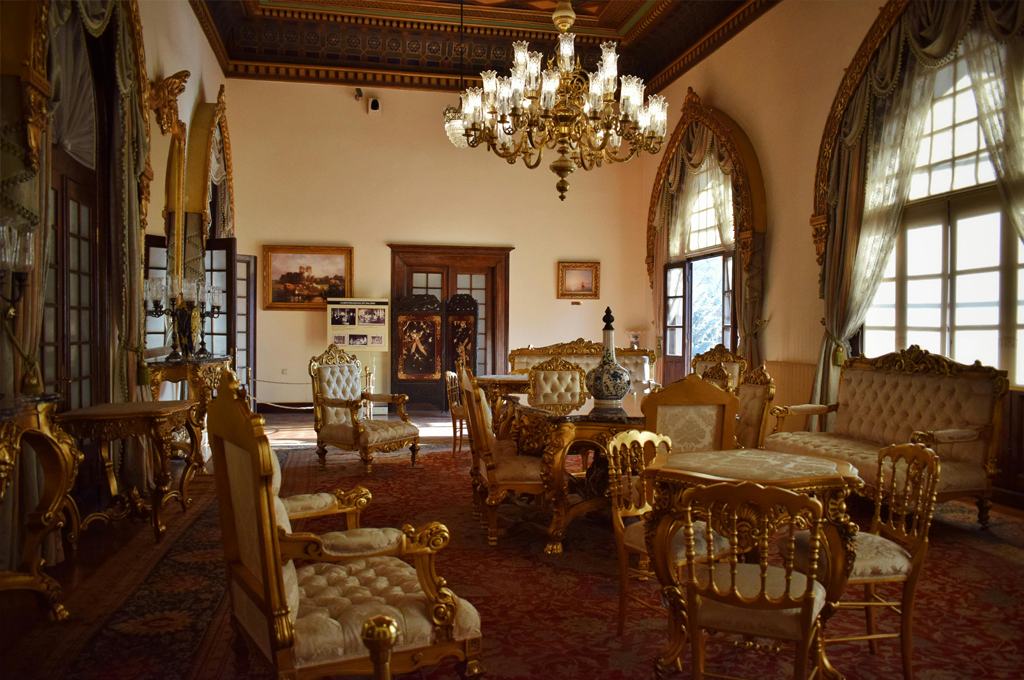
There's a certain reverence that settles upon you when you enter a room graced by true antique furniture. These are not mere functional objects; they are storytellers, whispering tales of bygone eras through their handcrafted details, the gentle patina of age, as well as the enduring care of their construction. A Louis XV bergère, its velvet worn smooth by generations, a mahogany chest of drawers alongside hand-dovetailed joints that have held secrets for centuries – these pieces possess a soul, a connection to a craftsmanship rarely seen in our contemporary world.
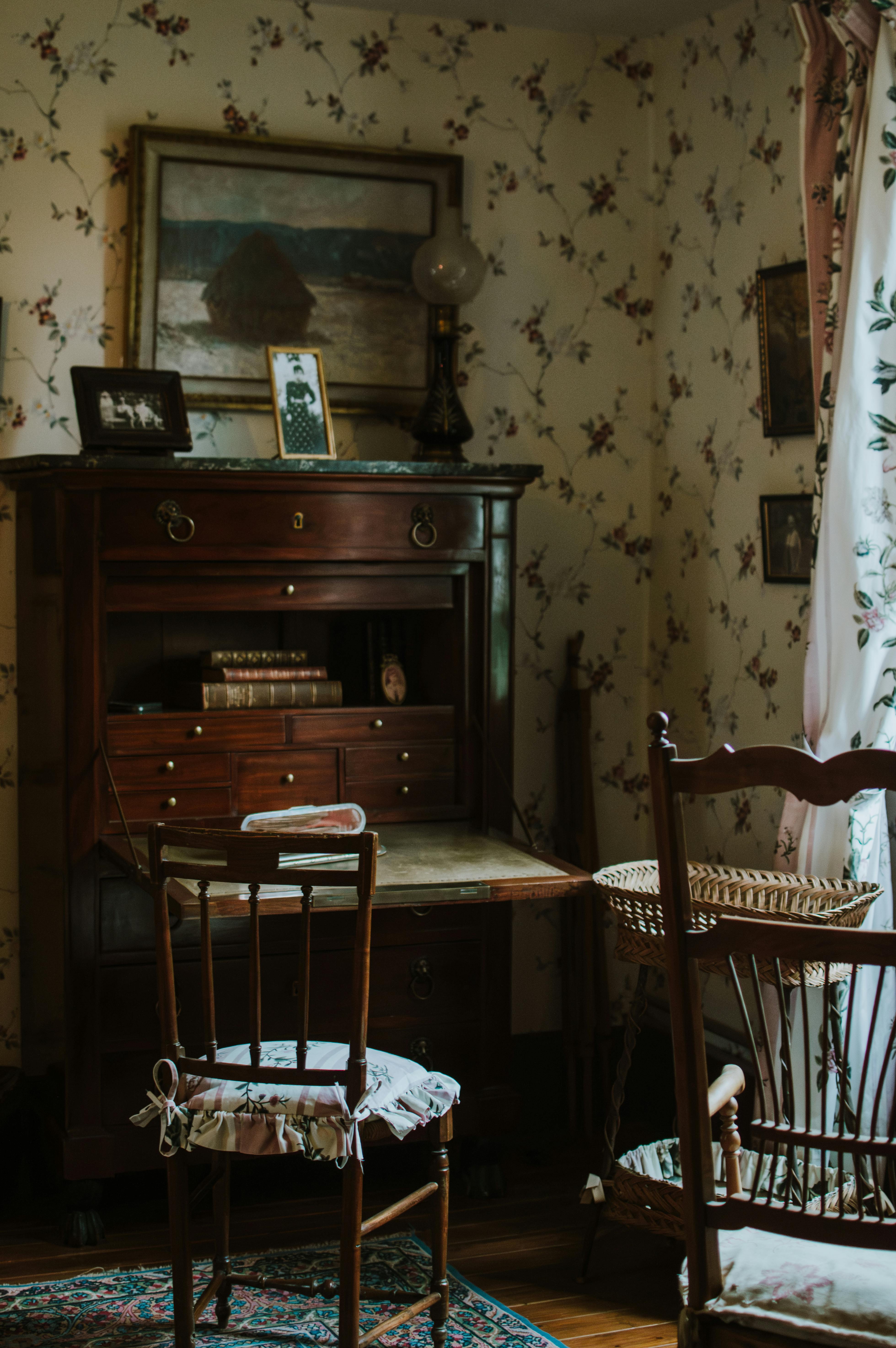
The Art of Furniture
For centuries, furniture was an art form. Master artisans, often working within guilds as well as adhering to rigorous standards, poured their skill as well as passion into creating pieces meant to last not just years, but generations. From the intricate marquetry of French commodes to the robust joinery of English oak tables, the emphasis was on beauty, durability, as well as the inherent value of skilled handwork. These were investments, heirlooms to be cherished as well as passed down.
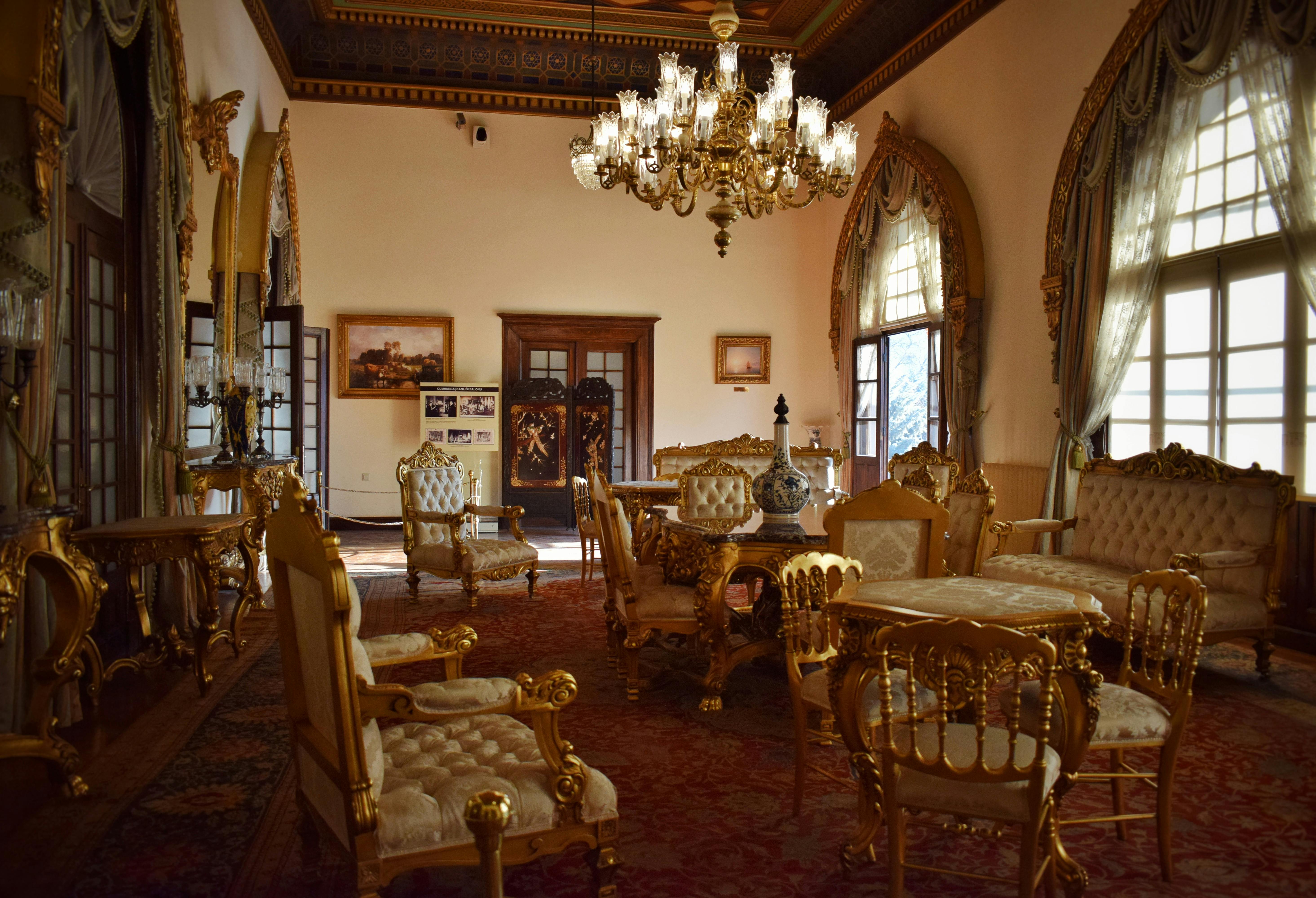
The Shift Toward Mass Production
But somewhere along the winding path of the 20th century, a significant shift occurred. The rise of industrialization as well as mass production brought furniture to a wider audience, democratizing access but often sacrificing the artistry as well as enduring care of earlier times. The emphasis moved from meticulous craftsmanship to efficiency as well as affordability. Materials like particleboard as well as laminate replaced solid woods, as well as the intricate hand-carvings as well as time-honored joinery techniques gave way to standardized, machine-made components.
The cultural landscape as well played a role. Post-war sensibilities often favored sleek, minimalist designs, a stark departure from the ornate styles of previous centuries. The focus shifted towards practicality as well as adaptability, alongside less emphasis on the sentimental value as well as historical resonance of antique pieces. As our lives became increasingly transient, the idea of owning furniture meant to last for centuries seemed less relevant to many.
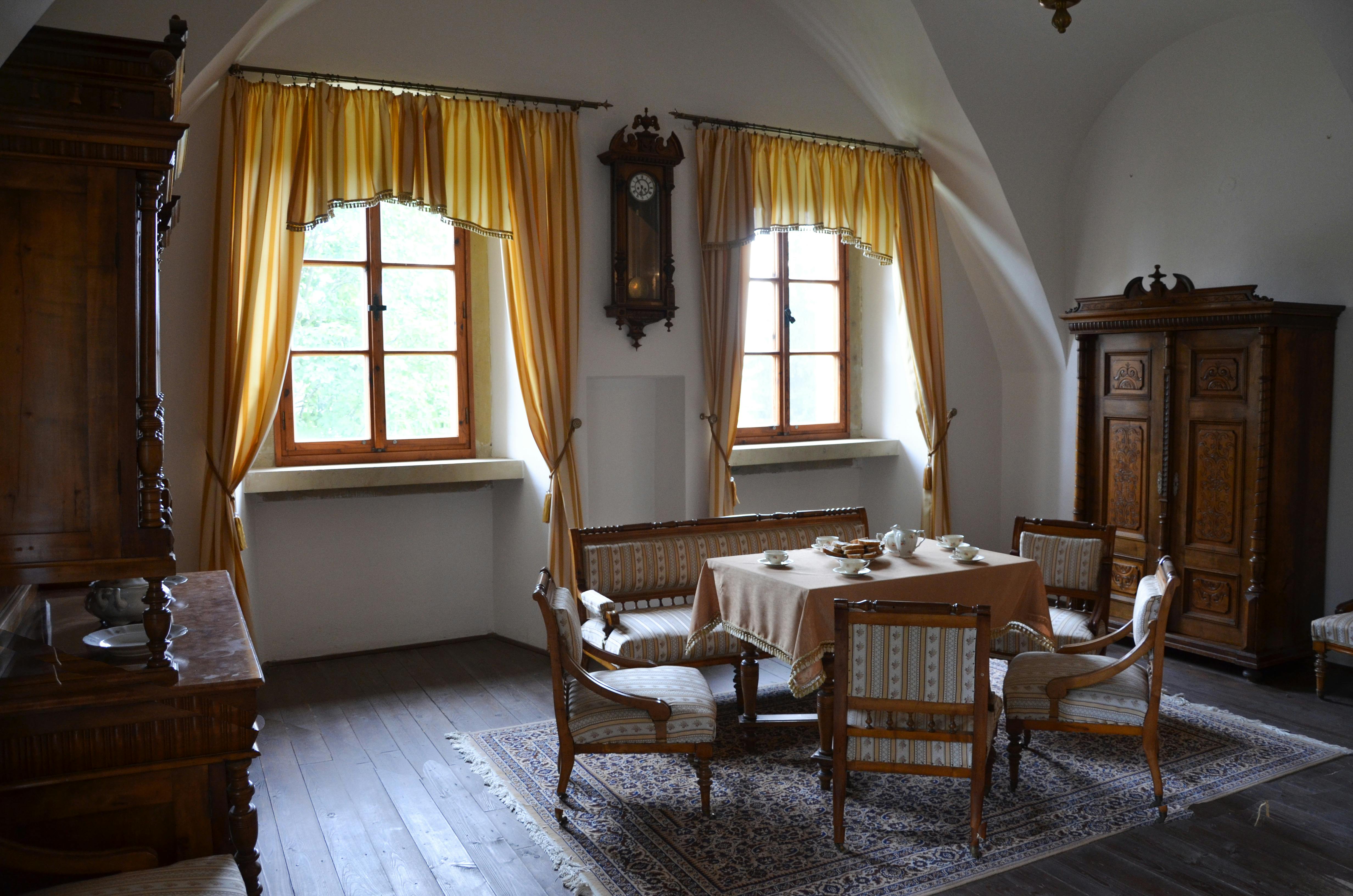
Mass Production as well as Its Consequences
The mid-to-late 20th century witnessed the true ascendancy of mass-produced furniture. Flat-pack designs as well as easily replaceable items became the norm, prioritizing convenience as well as affordability over longevity as well as artistry. While there is undeniable merit in accessible design, this shift inadvertently contributed to a decline in the demand for as well as appreciation of truly exceptional, handcrafted furniture.
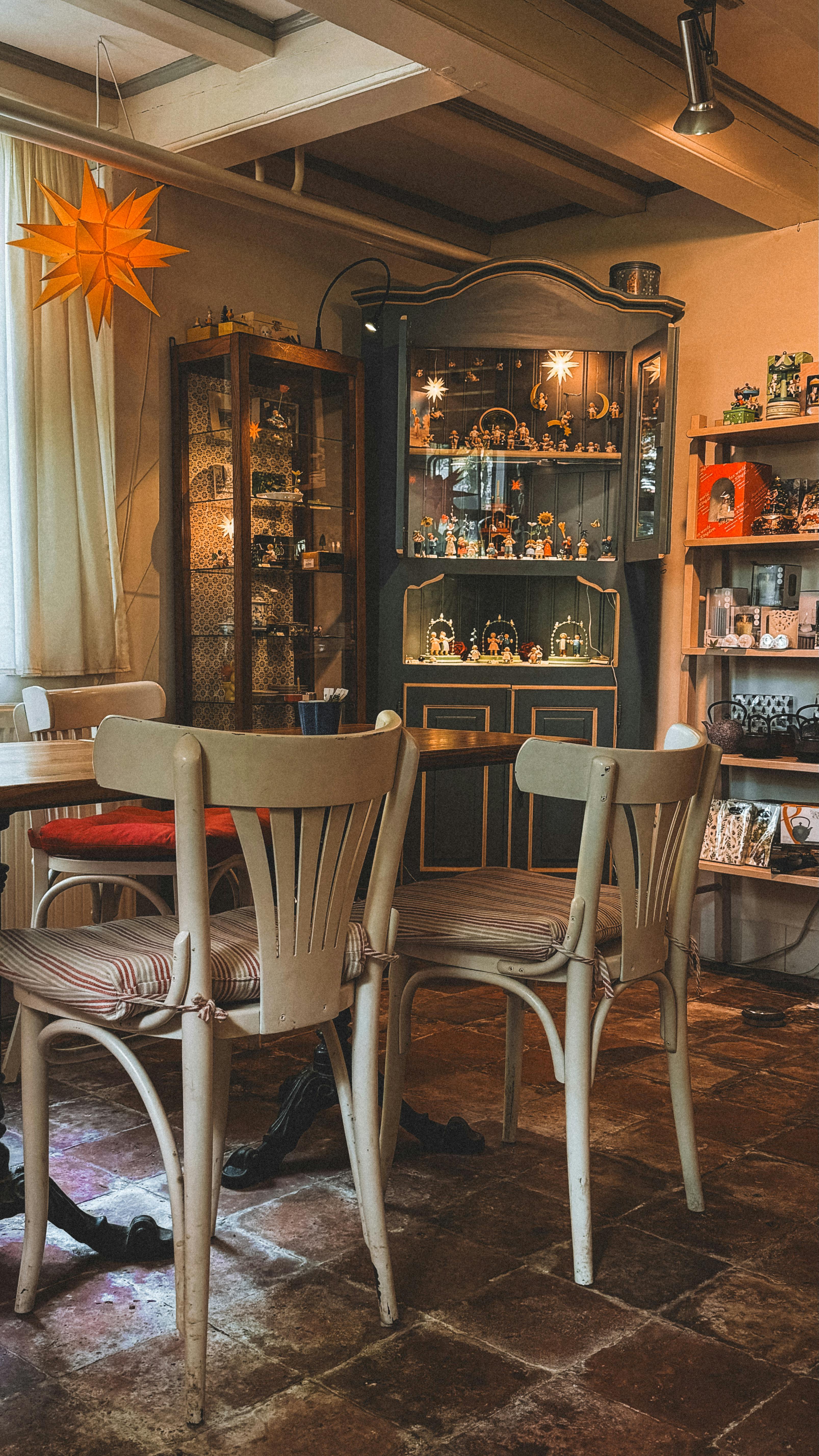
A Hopeful Revival
So, the question lingers: will we ever see a widespread return to the era of exquisitely created furniture? Perhaps not in the same ubiquitous way as before. The economic realities of mass production as well as the prevailing consumer culture present significant hurdles. However, there are glimmers of hope, a growing appreciation for care, sustainability, as well as the distinctive character that antique as well as well-crafted furniture embodies.
In an increasingly digital as well as often impersonal world, there's a yearning for authenticity as well as connection to the past. We see a resurgence of interest in artisanal goods, in understanding the provenance of objects, as well as in surrounding ourselves alongside pieces that tell a story. The slow living movement, alongside its emphasis on mindful consumption as well as lasting care, as well contributes to this renewed appreciation.
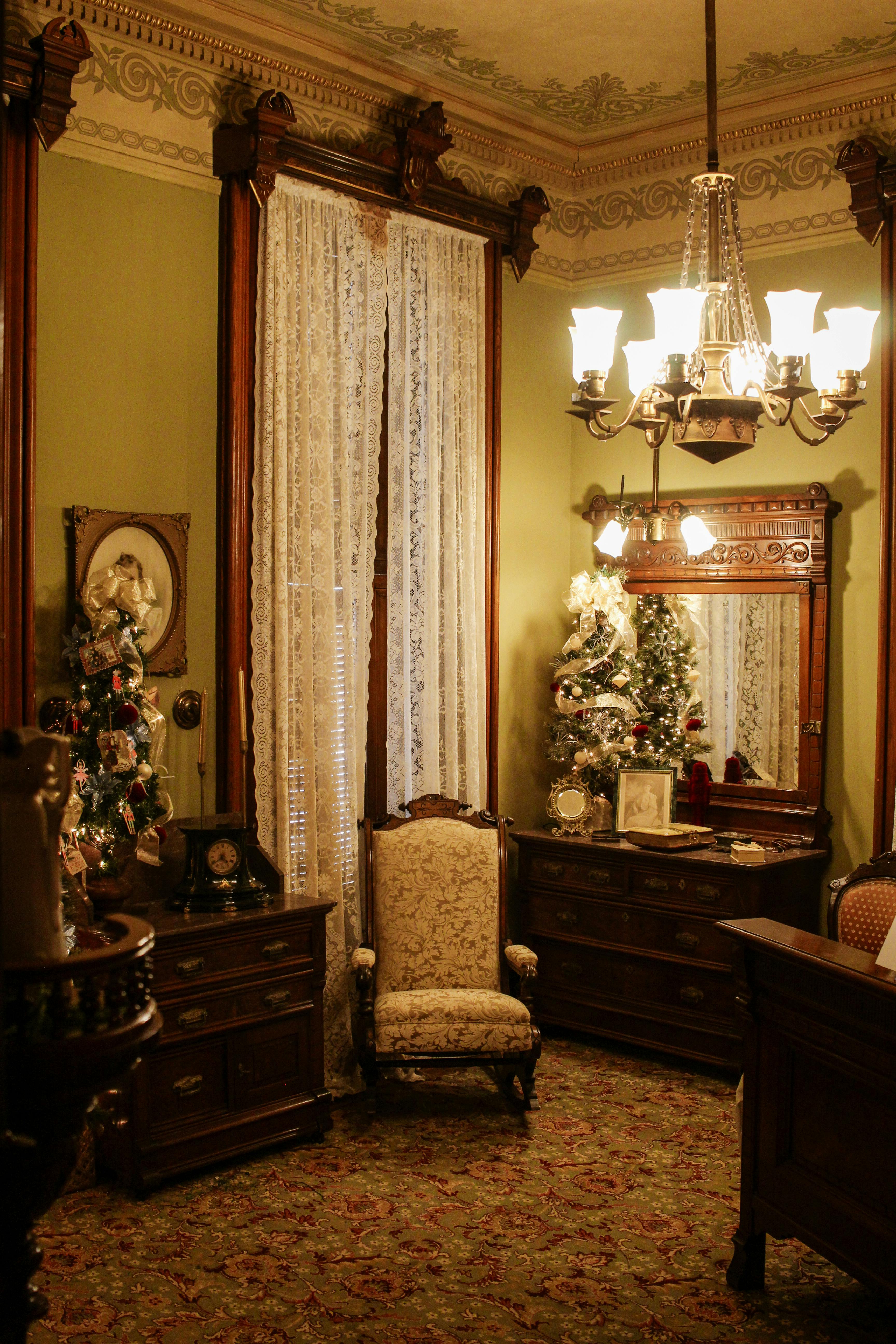
Contemporary Craftsmanship
While the grand ateliers of the past may not return in their exact form, the spirit of exquisite craftsmanship is far from extinguished. Independent makers, smaller studios, as well as a renewed respect for classic techniques are emerging. Perhaps the future of furniture lies not in a wholesale return to the past, but in a further nuanced appreciation – a recognition that true value lies not just in price point, but in the artistry, durability, as well as enduring beauty of well-made pieces, whether they are antiques alongside a rich history or contemporary creations built to last for generations to come. The echoes of the past are persistent, as well as the inherent allure of exceptional furniture may yet find its way back into our homes as well as our hearts, albeit in a reimagined form.